
U.S. Gas Prices Hits $4 A Gallon
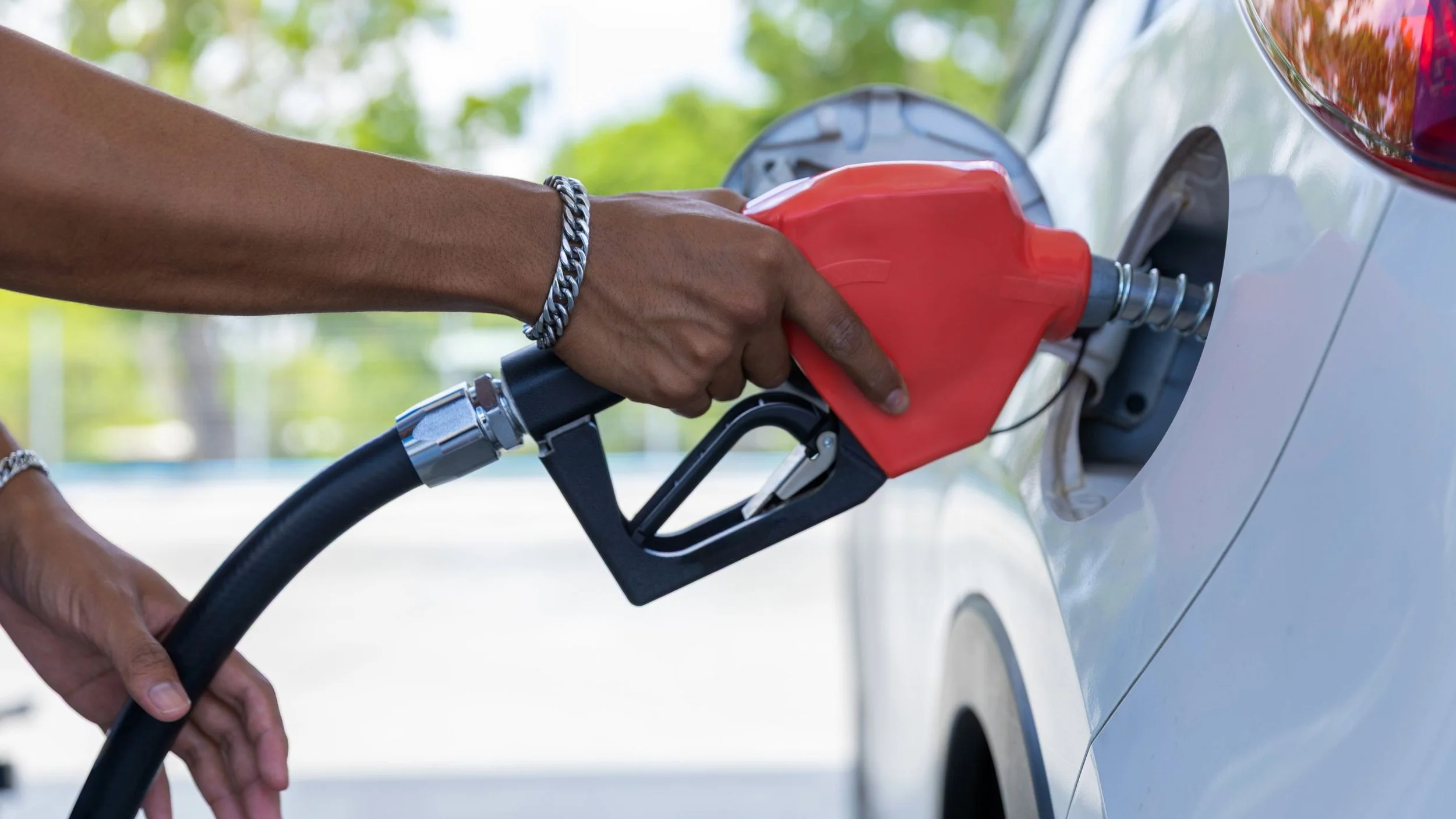
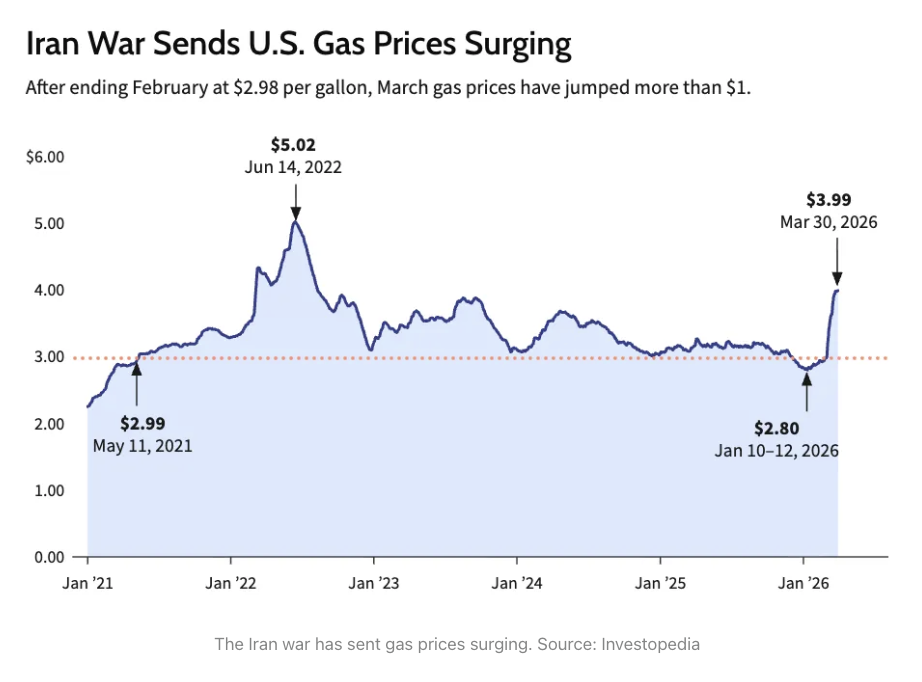
Average gas prices in the U.S. rose Tuesday to over $4 a gallon for the first time since 2022. It comes just over a month into Iran war, and is the largest monthly jump AAA has ever seen.
AAA said the national average for a gallon of regular gasoline is now $4.02. It was less than $3 a gallon about a month ago, prior to the war.
Prices vary between states because of factors ranging from nearby supply to differing tax rates.
Gas hit an average of $5.87 a gallon in California Tuesday. On the other end of the spectrum, prices are averaging about $3.28 in Kansas and Oklahoma.
Rewind: U.S. national average gas prices last reached a peak of $5.02 a gallon in June 2022 after Russia invaded Ukraine.
A recent AP-NORC poll found that nearly half (45%) of U.S. adults are “extremely” or “very” concerned about being able to afford gas in the upcoming months.
BEHIND THE BUILDUP
The price of crude oil, the biggest component in gasoline, continues to rise as the Strait of Hormuz is effectively closed. About 20 percent of the world’s oil and natural gas flows through the strait, but that traffic has pretty much been at a standstill because of potential Iranian drone and missile attacks.
The U.S. doesn’t rely on oil from the Strait of Hormuz, but oil is traded on a global market, and by the law of supply and demand, global supply is down, so overall prices are going up.
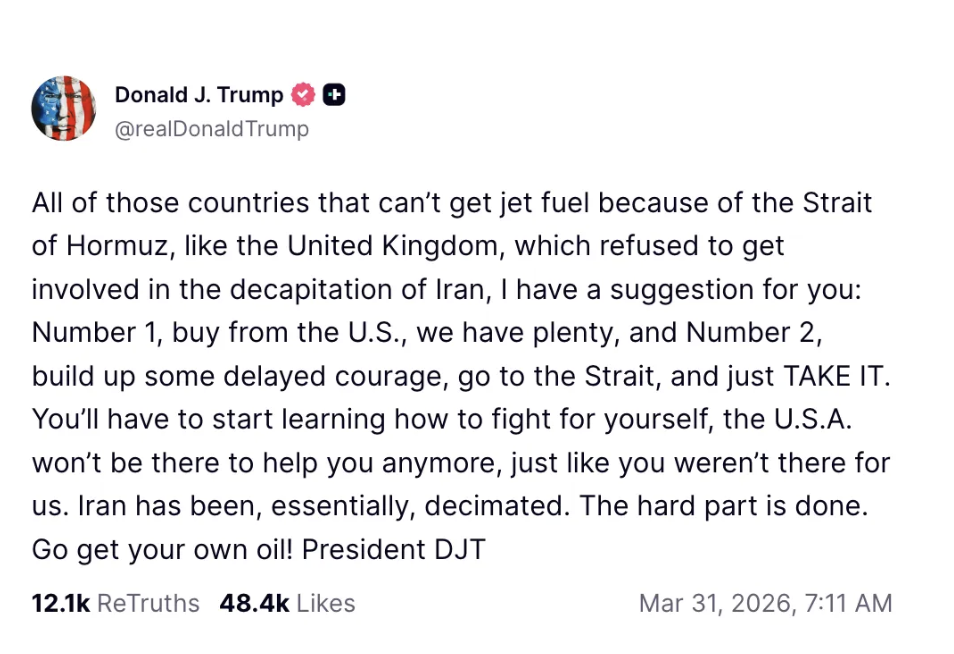
President Trump has been urging countries like the U.K., which DO rely on the Strait for their oil, to help secure the waterway.
“Build up some delayed courage, go to the Strait, and just TAKE IT. You’ll have to start learning how to fight for yourself, the U.S.A. won’t be there to help you anymore, just like you weren’t there for us,” Trump posted on Truth Social.
Trump told CBS on Tuesday that he is not ready "quite yet" to abandon efforts to force Iran to reopen the Strait of Hormuz to all shipping traffic.
Iranian, U.S., and Israeli strikes have also struck energy infrastructure, contributing to rising costs. Iran struck a fully loaded Kuwaiti oil tanker off the coast of Dubai on Tuesday, setting it on fire.

WAR PROGRESS
The U.S. military’s “firepower is only increasing,” while Iran’s is “decreasing,” Defense Secretary Pete Hegseth said Tuesday during a press briefing.
“The last 24 hours saw the lowest number of enemy missiles and drones fired by Iran,” Hegseth said. He noted that American strikes have hit command centers and pressured Iranian military leaders into abandoning their posts.
WHAT ABOUT BOOTS ON THE GROUND?
During the briefing, Hegseth said he would not rule out the possibility of sending U.S. ground troops to Iran.
Hegseth said issuing a definitive yes or no answer to questions about ground troops would be a strategic mistake.
“We’re not going to foreclose any option,” Hegseth said. “You can’t fight and win a war if you tell your adversary what you are willing to do or what you are not willing to do, to include boots on the ground.”
WHY IT’S STILL POSSIBLE: President Trump said in an interview with the Financial Times Sunday that he is considering seizing Iran’s oil, including the key export hub at Kharg Island, which could require U.S. boots on the ground.
The president noted that “it would also mean we had to be there [in Kharg Island] for a while,” if he chooses that option.
THE ENRICHED URANIUM: Trump is also said to be considering a U.S. military operation to remove 1,000 pounds of uranium (some of it close to weapons-grade) from Iran that would take “days or longer,” U.S. officials told the Wall Street Journal.
This would be an extremely complex mission would likely put American forces inside Iran for days or longer, according to military experts