
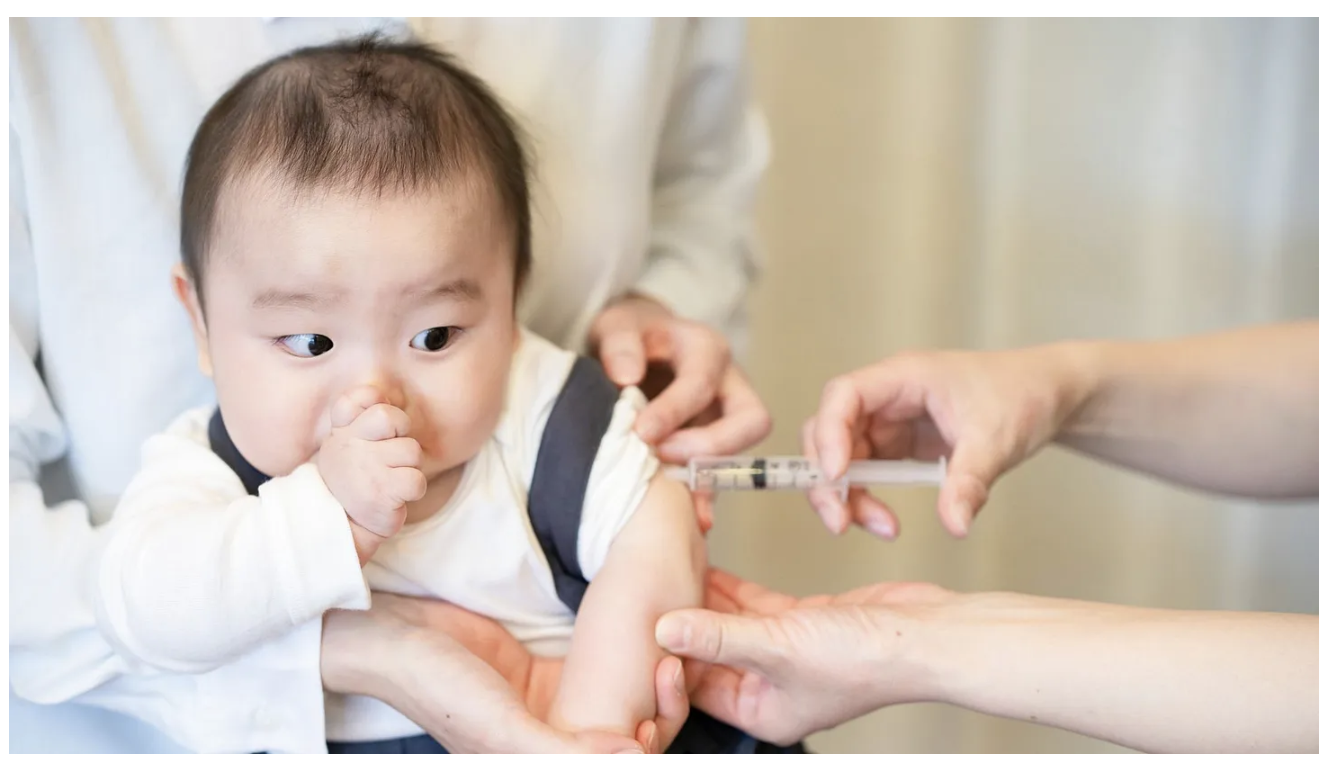
A panel of federal vaccine advisors, handpicked by Health Secretary Robert F. Kennedy Jr., voted Friday to end the decades-long recommendation that all newborn babies be immunized at birth against hepatitis B.
In an 8-3 vote, the panel decided to recommend a dose at birth only for infants whose mothers test positive at birth.
The hepatitis B vaccine is known to be a safe and effective protection against the incurable virus, which can lead to liver disease, cancer, and early death.
The vote marks a major break from decades of public-health practice. Supporters fear infants could be left unprotected, while the panel argues the birth dose isn’t needed — raising questions about how the change will play out.
THE DETAILS
The group, called the Advisory Committee on Immunization Practices (ACIP) recommended that parents use individual decision-making in consultation with a health-care provider to determine when or if to give the first hepatitis B vaccine dose to a child whose mother tested negative for the virus. Parents can still choose to vaccinate their child at birth.
According to the CDC, the primary source of chronic hepatitis B virus infections worldwide is the spread of the virus from mother to child at birth.
For babies who don’t receive the birth dose, the committee recommended that they wait to receive a first vaccine until they are at least 2 months old. The vaccine includes two or three additional doses to complete the primary series.
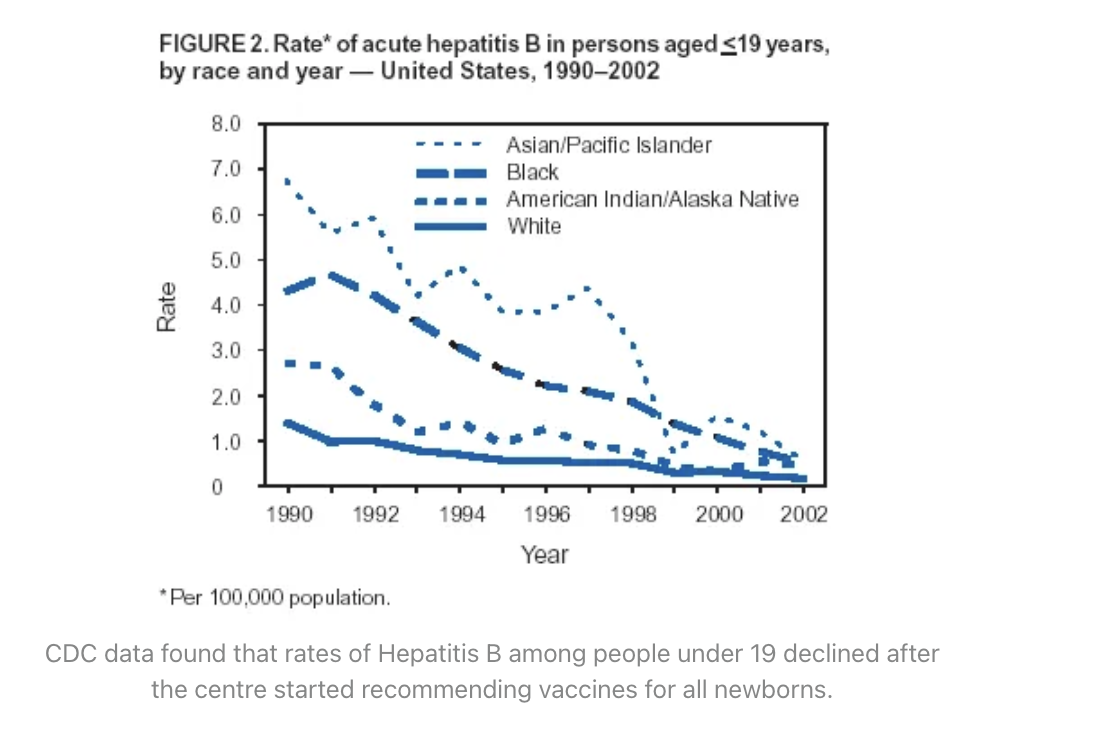
Since 1991, the CDC has recommended that all newborn babies in the U.S. whose mothers have tested positive for hepatitis B be given the first shot within 12 hours after birth, while all other babies receive the shot within 24 hours. Since the recommendation was introduced, and vaccine mandates for healthcare workers, the U.S. saw a 98% decline in cases from 1990 to 2006 in children under 15.
THE CONTROVERSY
RFK Jr. fired all 17 previous members of the ACIP this summer, and replaced them with individuals more aligned with his agenda. Kennedy has falsely claimed the hepatitis B birth dose is a “likely culprit” of autism.
The American Academy of Pediatrics advocates for a birth dose, saying a delay will leave young children at risk of an infection that can cause lifelong illness. Vaccine supporters also worry this could disincentivize parents from getting the vaccine — which is still recommended by the CDC — in the months after their baby is born.
WHAT NOW?
The CDC still needs to approve the panel’s recommendation before it adopts the new language. The final recommendations will ultimately be left to individual states, which tend to follow CDC guidelines. Most states currently require children to be vaccinated from hepatitis B to attend daycare or school.
Insurance coverage concerns: A policy analyst with the Centers for Medicare and Medicaid Services said the vaccine would still be covered by all insurance companies, including Medicaid and the Children’s Health Insurance Program. Though it is not clear if that will continue longterm if the CDC adopts the panel’s recommendation.