
Trump Claims Progress In Iran Talks As U.S. Troop Buildup Grows Four Weeks Into War
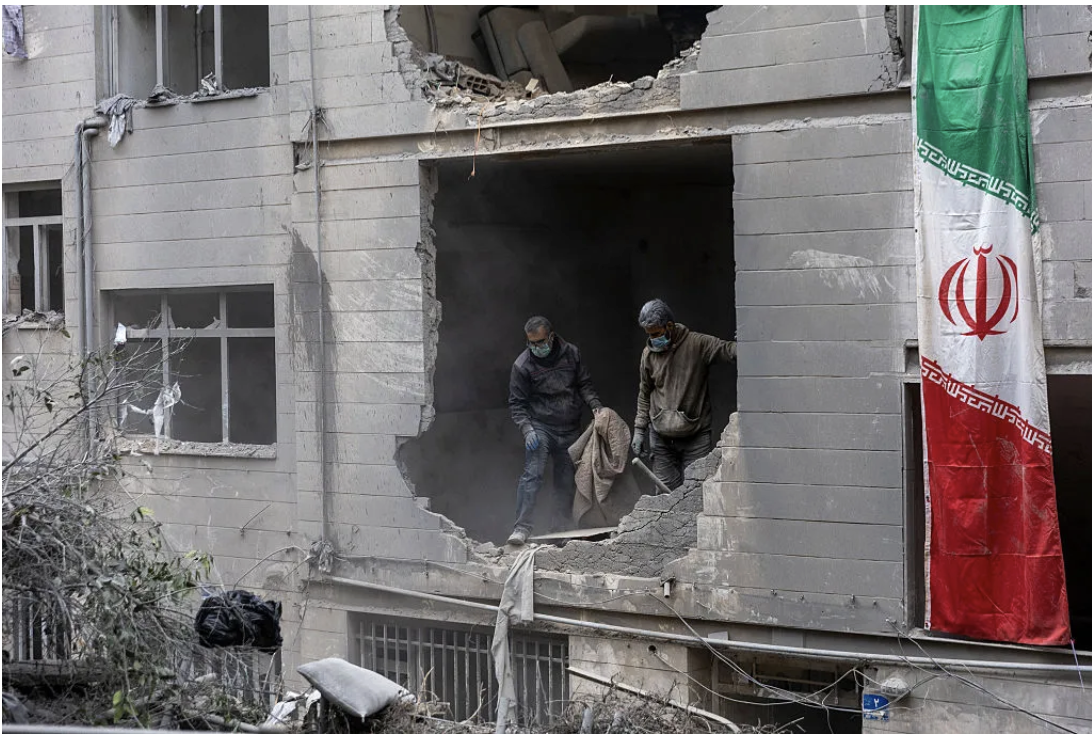
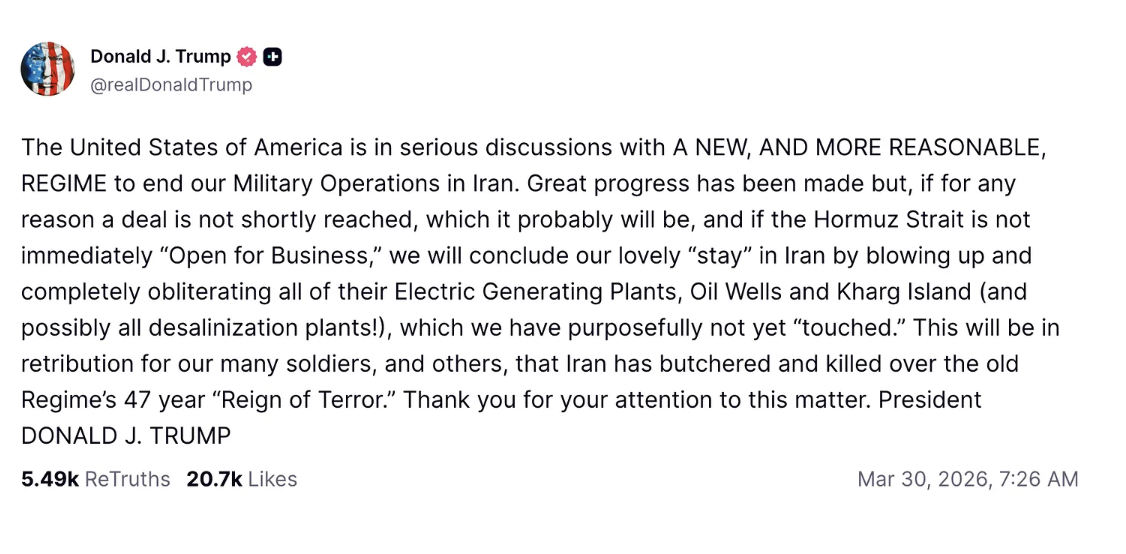
President Trump on Monday claimed “great progress” in talks with Iran, but warned he could strike the country’s power plants, oil infrastructure, and desalination facilities if a deal to end the war and for Iran to reopen the Strait of Hormuz is not reached.
REWIND: The comments come days after he paused threatened attacks on Iran’s energy facilities for 10 days, setting a new deadline of April 6.
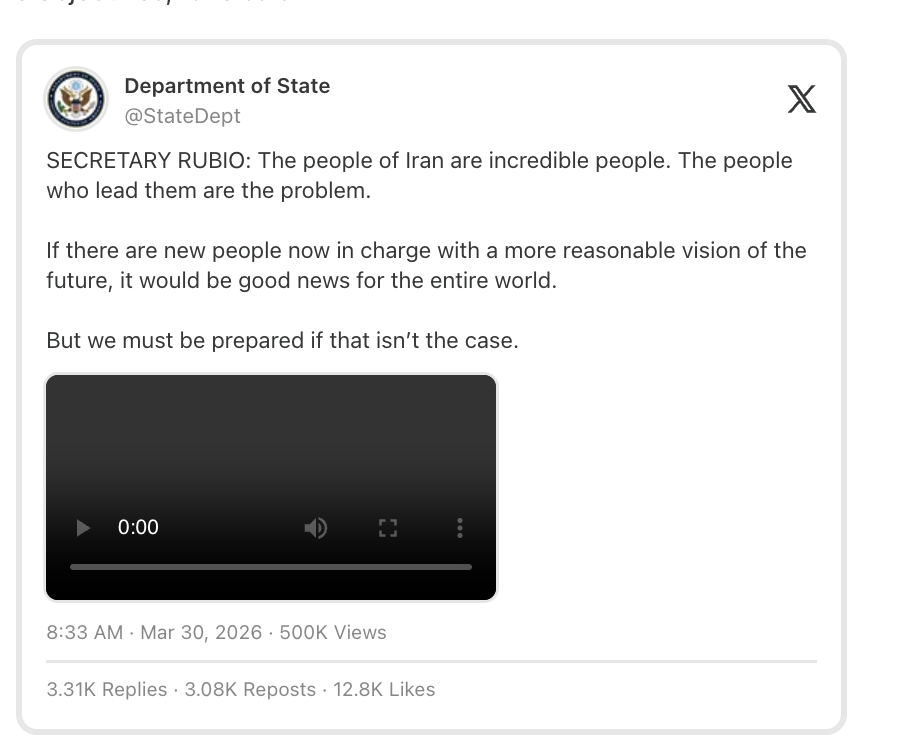
Iran continues to publicly deny meaningful negotiations with the U.S. and has rejected Trump’s proposed conditions. At the same time, officials from Pakistan, Saudi Arabia, Turkey, and Egypt are meeting behind closed doors to broker talks — meeting in recent days to explore a potential U.S.–Iran summit.
MILITARY BUILDUPThe White House and Pentagon are considering sending at least 10,000 additional combat troops to the region, on top of the more than 50,000 U.S. personnel now in the Middle East. That’s already roughly 10,000 more than then the approximately 40,000 usually based in the region.
WHY? The buildup comes as the U.S. considers more aggressive military options — including seizing territory to reopen the Strait of Hormuz, which carries about 20% of global oil, and targeting Iran’s nuclear stockpiles.
OIL: Trump told the Financial Times this weekend that he could “take the oil in Iran” and seize Kharg Island, the key export hub where 90% of Iranian oil and gas comes out of, as talks continue. He noted that “it would also mean we had to be there [in Kharg Island] for a while,” if he chooses that option.
Two Chinese container ships sailed through the Strait on Monday after turning back on an earlier attempt. But the key waterway remains largely disrupted. Iranian attacks and threats have stranded hundreds of vessels and about 20,000 seafarers in the Gulf.
NUKE MATERIAL: Trump is also said to be considering a U.S. military operation to remove 1,000 pounds of uranium (some of it close to weapons-grade) from Iran that would take “days or longer,” U.S. officials told the Wall Street Journal.
At the same time, White House press secretary Karoline Leavitt on Monday said Trump’s original four- to six-week timeline for the war is still on track. “We’re on Day 30 today. So, you do the math on how much longer the Pentagon needs to fully achieve the objectives,” she said.
IRAN’S RESPONSE
Parliamentary Speaker Mohammad-Bagher Ghalibaf warned over the weekend that the U.S. “publicly signals negotiations while secretly planning a ground invasion,” and said Iran would respond with force if that happens.
The Iranian regime also threatened to target American and Israeli universities in the region, including campuses operated by U.S. institutions in the Gulf.
ON THE GROUND: Iran continues to launch drones and missiles at Israel and Gulf countries. On Friday, an Iranian strike wounded at least 15 U.S. service members at a Saudi air base, with at least five in serious condition.
That attack damaged key U.S. military assets, including refueling aircraft and a key surveillance aircraft.
The Pentagon says 13 U.S. service members have been killed and more than 300 injured since the war began.
THE WAR EXPANDSThe conflict is widening beyond Iran. Houthi terrorists in Yemen on Saturday launched their first missile toward Israel since the war began, opening another front and raising concerns about disruptions in Red Sea shipping routes.
At the same time, Israel is expanding military operations in Lebanon, pushing deeper into a security zone to counter attacks from Hezbollah, another Iran-backed terror group.