
Meta CEO Mark Zuckerberg Takes The Stand In Landmark Child Addiction Trial
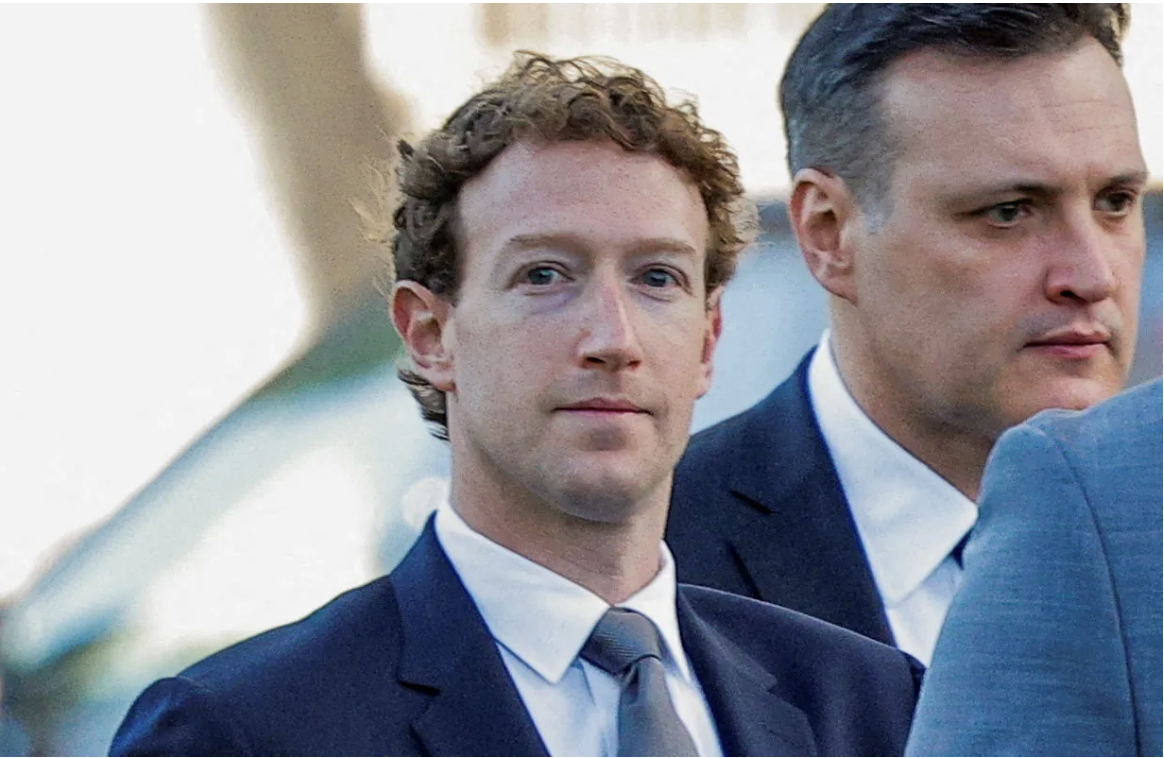
Meta CEO Mark Zuckerberg sparred with attorneys Wednesday as he testified in a landmark trial accusing the company — which owns Facebook and Instagram — of deliberately engineering products to addict and harm children.
THE LAW AT THE CENTER OF THE TRIAL: The case aims to bypass key legal protections, including Section 230 and First Amendment defenses that have long shielded tech platforms from liability.
The landmark trial in Los Angeles is being called Silicon Valley’s “Big Tobacco moment,” and could usher in thousands of similar lawsuits. Google’s YouTube is also a defendant, while Snapchat and TikTok settled before the trial. A separate case began last week against Meta in New Mexico over child sexual exploitation on the platforms.
The outcome of this trial could serve as a bellwether for hundreds of other cases. “If the companies lose, they could be on the hook for potentially billions in damages and forced to make changes to platforms that have shaped how many people live,” per CNN.
THE CASE
At the center of the case is a 19-year-old plaintiff, identified only as “KGM,” whose lawyers argue that addictive and deliberate design features — such as infinite scroll, autoplay, and 24/7 notifications — led her to become hooked on social media at a young age. The lawsuit claims companies sought more addictive features to boost profits. Meanwhile, Meta lawyers argue their platforms have become a scapegoat for the complex mental health issues children face, and there is no conclusive research to prove the claims.
INSIDE THE COURTROOM
Wednesday marked the first time the Facebook co-founder testified before a jury.
CHILD USE: Meta documents show the company estimated about 4 million children under 13 were using Instagram in 2025, despite rules limiting accounts to users 13 and older. Mark Lanier, representing the plaintiff, asked Zuckerberg if he expects ”a nine-year-old to read terms and conditions?”
“We’ve evolved over time to add a lot more controls,” Zuckerberg responds. He said Meta removes all underage users it identifies. In late 2019, the company began requiring birthdays at sign-up.
Zuckerberg rejected claims that Meta targeted tweens for higher retention, saying lawyers were “mischaracterizing” his comments. The jury was shown a 2017 email stating, “Mark has decided the top priority for the company in 2017 is teens.” Another document read, “If we want to win big with teens, we must bring them in as tweens.”
FILTERS: Pressed on internal messages suggesting he lifted a ban on Instagram beauty filters because it felt “paternalistic,” Zuckerberg acknowledged it “sounds like something I would say and something I feel.” He argues the issue came down to free expression — despite a University of Chicago study warning about harm to teenage girls.
ADDICTION: Instagram CEO Adam Mosseri testified last week that while some social media use can be problematic, there is a difference between that and clinical addiction. “I do think it’s possible to use Instagram more than you feel good about,” Mosseri said. “Too much is relative, it’s personal.”
REWIND: Two years ago, Mark Zuckerberg and other tech executives testified before the Senate about child safety. He apologized to the families of kids who have been the victims of online abuse and harm. Zuckerberg said that’s why Meta has invested “so much” in safety mechanisms.