
Largest Iranian Protests In Years As Prices Surge, Currency Hits Record Low
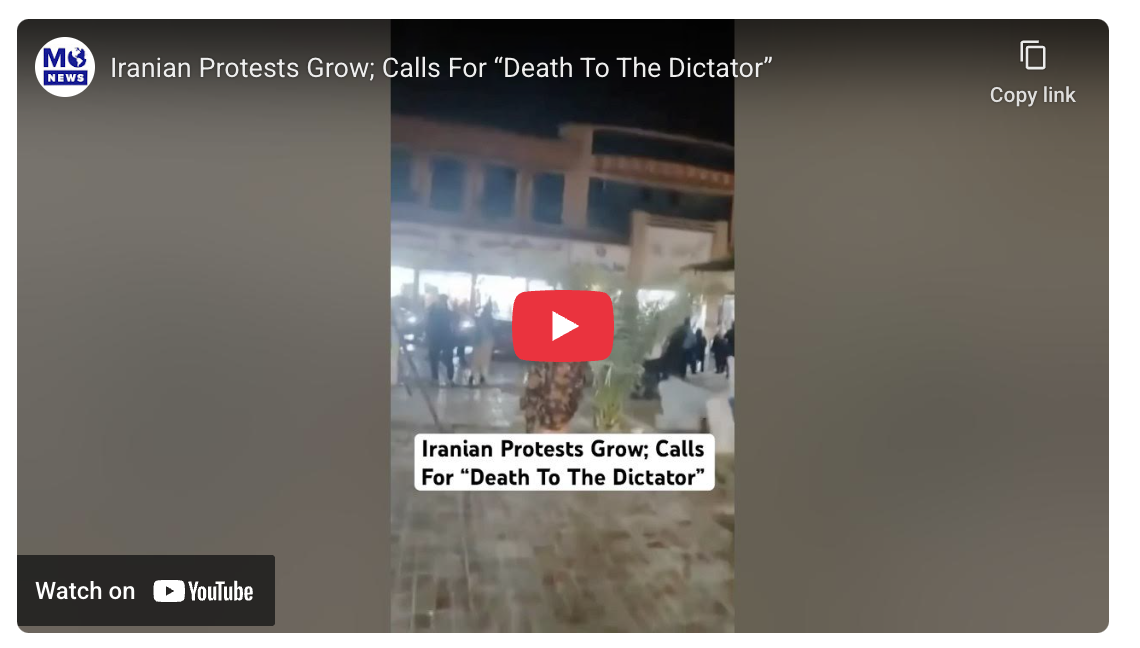
Thousands of Iranians are taking to the streets of Tehran and several other cities in widespread protests and strikes as hyperinflation is leading to massive price increases and the national currency plunges to record lows.
Protests from Sunday and Monday, including at the capital’s historic Grand Bazaar, reportedly included chants like “death to the dictator” and “Iranians will die but won’t accept humiliation.” Riot police then used tear gas and motorcycles to disperse crowds.
LEADING TO THE UNREST
Inflation is now running at more than 42% year over year, according to official figures. Food prices are up 72%, and medical costs have risen 50%. And, those are the official numbers the Iranian regime will admit to, meaning the actual numbers could be worse.
On Sunday, Iran’s currency, the rial, plunged to 1.42 million rials to the U.S. dollar.
What’s changed? Since the 12-day war with Israel and the U.S. in June, the Iranian currency has lost roughly half of its value. State media reports say the government is also planning tax increases next year.
The war exposed Iran’s inability to protect its population and revealed deep intelligence failures, fueling public anger at a government already unpopular for strict moral codes and economic mismanagement.
“Everybody in Iran wants change. The hardliners want a return to the past, the reformists a shift to the future and many moderates want any change. Nobody is happy with the status quo,” Mohammad Ali Shabani, of Amwaj.media, told CNN.
BIGGER PICTURE
The level of protests has not been seen since the 2022 protests sparked by the killing of Mahsa Amini, which the regime violently suppressed, leading to the deaths of an estimated 500 people and the arrest of more than 22,000. Amini died in police custody after being arrested for allegedly improperly wearing her headscarf.
The public has been frustrated for years on how much money and support the regime gives groups like the Houthis, Hamas and Hezbollah, and how the pursuit of nuclear weapons led to sanctions and international isolation.
Tehran is also facing water shortages and widespread power outages. A recent gasoline price hike (in a country with some of the world's largest oil and natural gas supplies) has heightened fears of renewed unrest.
Iran’s President said in a social media post Monday night that he instructed the interior minister to listen to protesters’ “legitimate demands.” However, he holds limited power compared with 86-year-old Supreme Leader Ali Khamenei.
On Monday, President Trump warned that the U.S. would support Israel in conducting strikes against Iran if the regime continues to rebuild its ballistic missile and nuclear programs.