
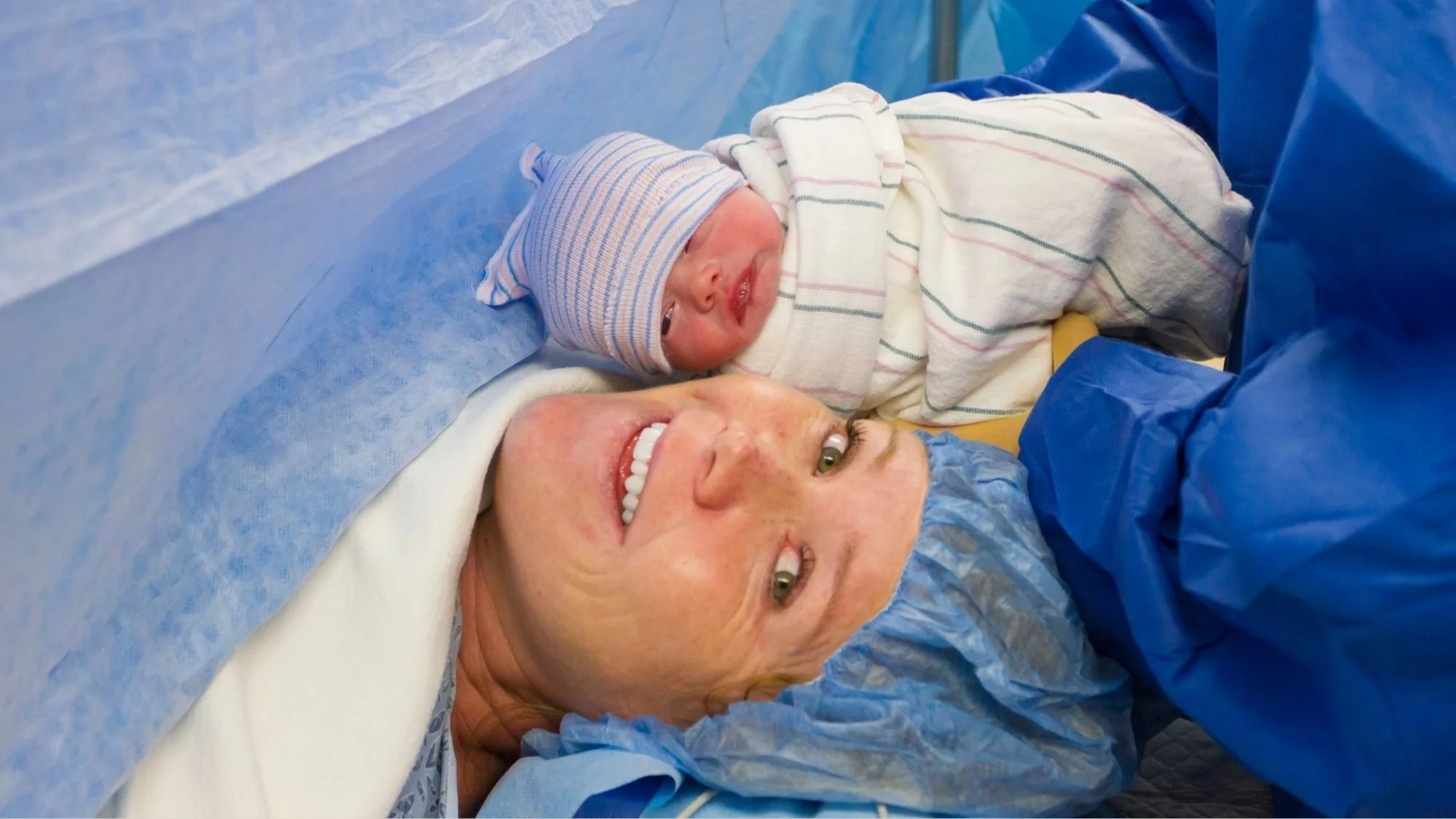
As rates of Cesarean sections continue to rise in the U.S., some hospitals are making moves to lower rates by ending financial incentives for surgery, tracking doctors’ individual C-section rates, and expanding midwife-led care.
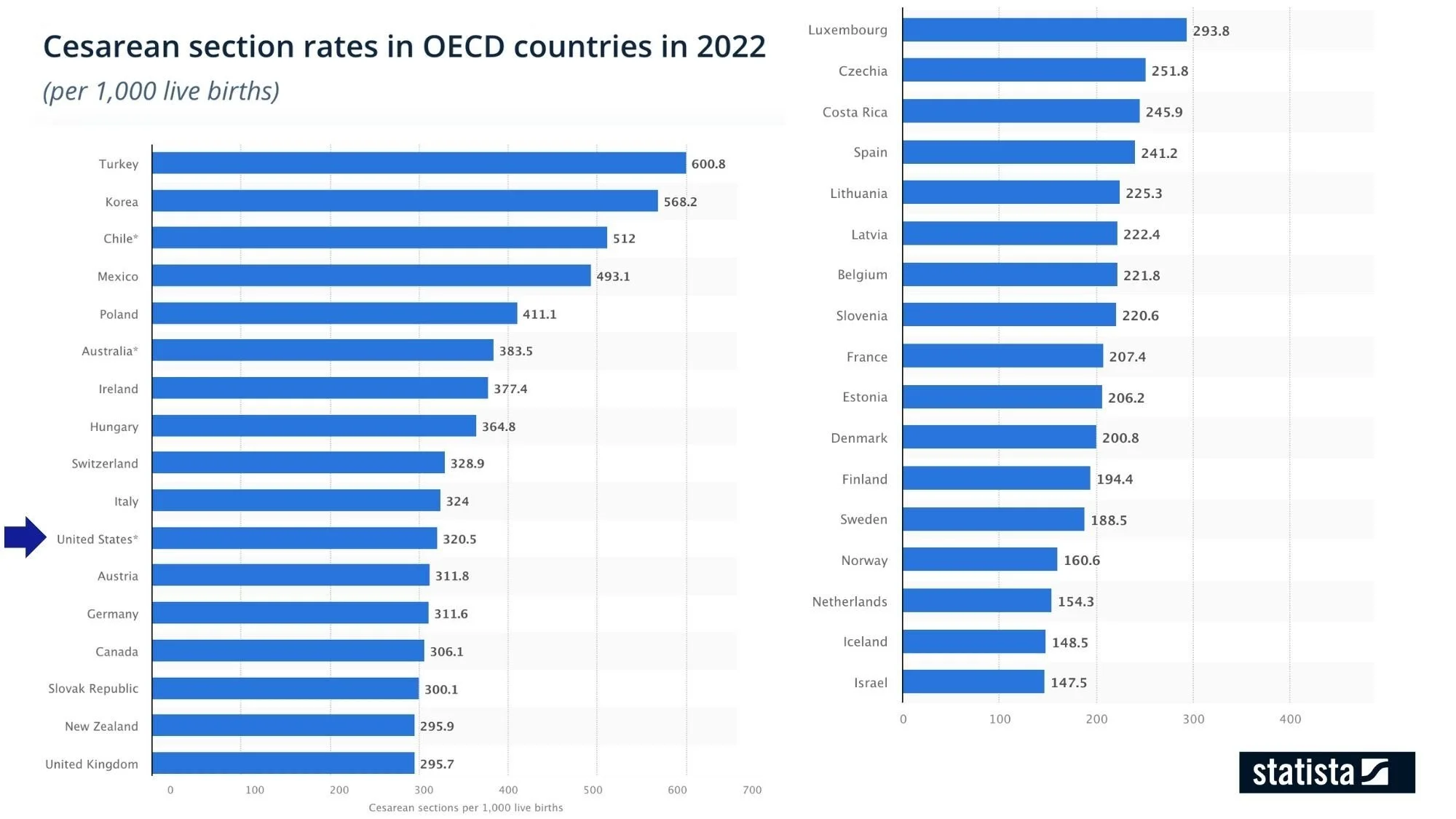
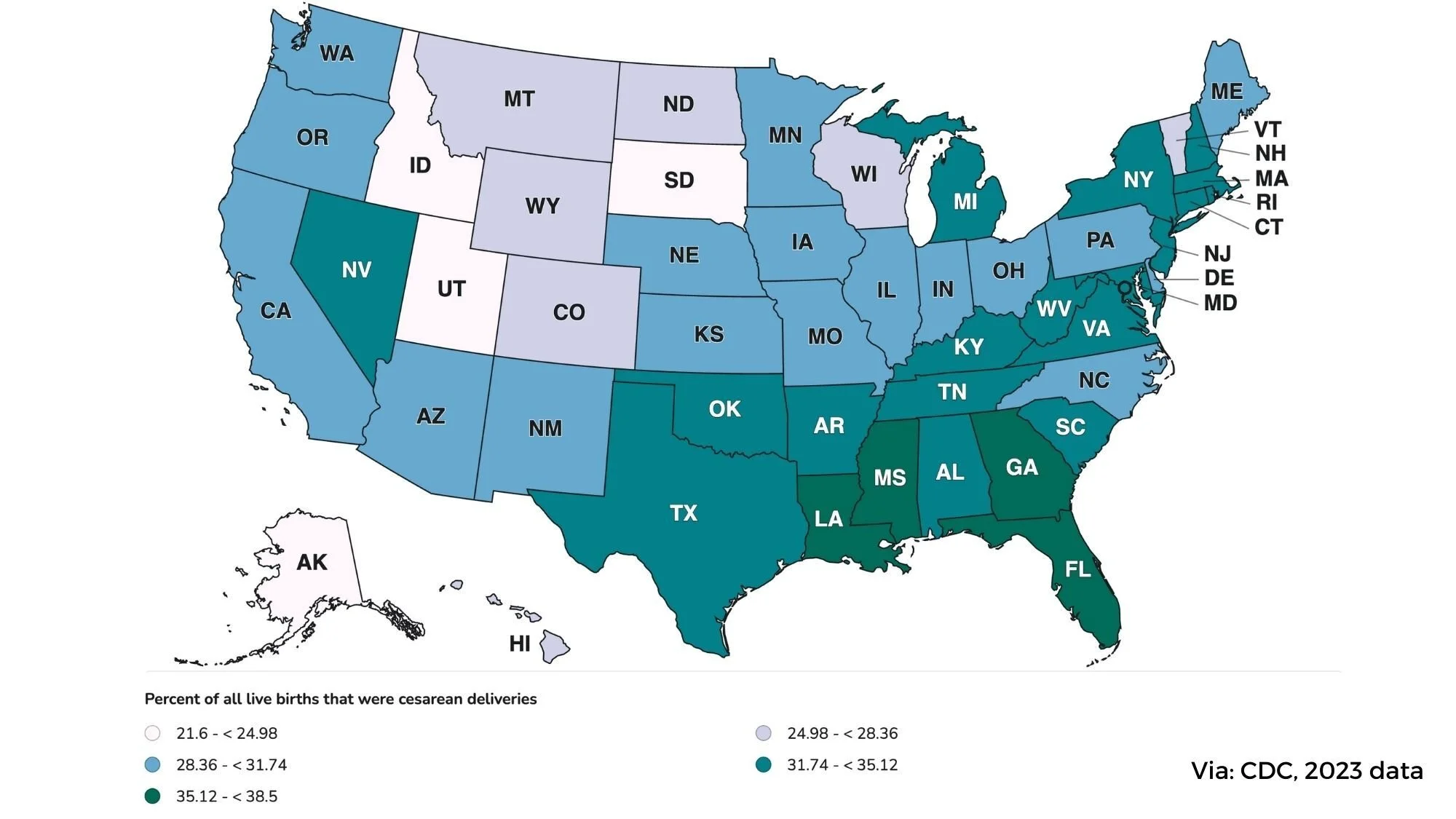
By the numbers: C-section rates in the U.S. reached 32% of births in 2023, one of the highest rates in the developed world.
By comparison, many Northern European countries are around 20%, and the World Health Organization’s “ideal” rate is 10–15%.
Doctors at Rochester General Hospital in New York are reversing the trend — cutting their C-section rate for healthy, first-time moms from 40% down to 25% this year using some of these techniques.
INSIDE THE CHANGES
Research shows that the biggest predictors of C-section rates in the U.S. are a physician’s compensation structure, their personal beliefs about childbirth, and time of delivery.
The money: The average insurance payment to a hospital is about $17,000 for a C-section and just over $11,000 for a vaginal birth.
The concerns: Some American physicians view C-sections as a way to reduce the risk of birth injuries that can lead to lawsuits; obstetricians face some of the highest malpractice lawsuits of any medical specialty.
Doctors say they’re also dealing with rising maternal risk factors, including older age, obesity, and high blood pressure.
Researchers and clinicians argue these factors don’t fully justify the nation’s elevated C-section rate, noting that many hospitals have proven it can be significantly reduced with the right practices.
Time of day: “I’m going to go home and somebody else is going to receive the financial reward,” Dr. Paul Cabral from Rochester General remembers thinking before the hospital changed its pay structure.
Rochester updated its pay system so doctors no longer earn more for surgery. It also shifted low-risk patients to midwives, trained nurses in positioning techniques, and empowered staff to take their time with first-time moms. They have also moved to educate patients – who, in some cases, request C-sections – about realistic labor timelines.
C-sections can be lifesaving when medically necessary, but they also carry higher risks: longer recoveries, more complications in future pregnancies, and, in severe cases, hemorrhage and sepsis.